
Understanding the Feeling of an Unfinished Home
Many individuals experience a sensation of incompleteness within their homes, even when they have meticulously curated a stylish decor scheme and selected suitable furniture. This perplexing sentiment is often rooted in several structural and aesthetic components, which may remain overlooked. Contrary to the common belief that clutter or insufficient decor is the primary culprit, the perception of an unfinished home is frequently tied to the absence of essential design elements like layers and visual anchors.
Layering is a crucial concept in interior design that adds depth and dimension to a space. When a home is styled solely piece by piece, it can lead to a disjointed and unsettling atmosphere, rather than one that feels cohesive and purposeful. Mixing different textures, patterns, and colors in a thoughtful manner helps to create a harmonious environment, allowing for the establishment of a comforting and grounded space. Furthermore, visual anchors play a pivotal role in providing focus within a room. This can include large pieces of artwork, statement furniture, or even well-placed plants that draw the eye and encourage a sense of completeness.

To achieve a sense of tranquility and cohesion, intentional styling is paramount. This involves more than just decorating; it requires a careful consideration of the arrangement and elements selected to invoke a feeling of wholeness. Each decision made in the styling process should serve to reinforce the overall aesthetic, rather than contribute to a collection of disparate pieces. By taking the time to thoughtfully layer your decor and establish clear visual anchors, you can transform an unsettled space into a well-finished and inviting home.
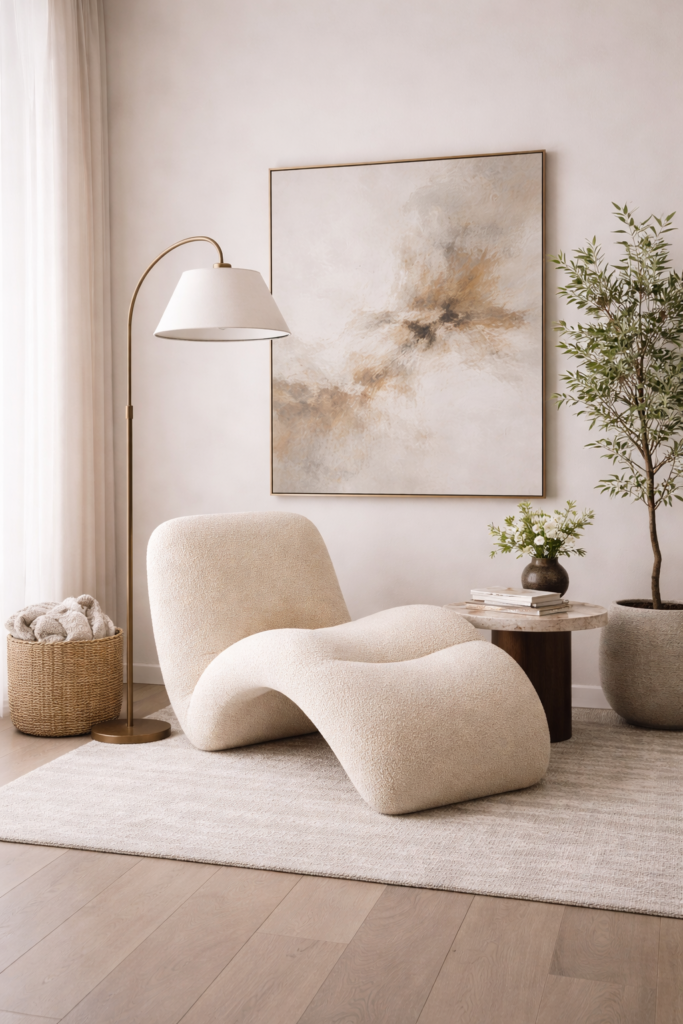
The Essential Layers for a Complete Home
A well-designed home is often characterized by a harmonious interplay of various essential layers that contribute to its overall aesthetics and emotional impact. These layers collectively create a space that feels complete and inviting, combining elements that keep the atmosphere grounded, calm, and welcoming. Understanding these layers is vital to achieving the desired ambiance.
The first layer is the grounding base, which encompasses the use of light, color, and balance. Light plays a pivotal role in setting the tone of a room, influencing how colors are perceived and the mood established. Choosing the right color palette can provide cohesiveness, while maintaining balance among the various elements ensures that the space does not feel visually chaotic.
Next, establishing a clear visual anchor is crucial. This can be achieved through focal points such as artwork, fireplaces, or statement furniture pieces. Visual anchors direct attention and can help to structure the space, making it feel less overwhelming. Without these anchors, a room may feel disorganized, and the eye does not know where to rest.
Soft textures are another essential layer contributing to a calming home environment. Incorporating various soft materials in rugs, cushions, or throws adds warmth and comfort, creating a space that invites relaxation. The absence of these textures can render a room stark and uninviting.
Vertical elements, such as tall plants or shelving, also enhance the visual dynamics of the home. They draw the eye upward and add dimension, preventing the space from feeling flat. Combining these elements fosters interest and promotes a sense of unity throughout the home.
Finally, personal touches are critical. Personalizing spaces with photographs, meaningful decor, or heirlooms makes a house feel like a home, infusing the environment with character and warmth. When any of these essential layers are missing, spaces can often feel cold or visually noisy, highlighting the need for a more comprehensive approach than simply decluttering.
The Power of Visual Anchors
Visual anchors play a pivotal role in interior design, acting as focal points that draw the eye and provide structure to a room. These elements help to create a sense of balance and harmony, allowing other decor pieces to flow seamlessly together. When a space feels unfinished, integrating effective visual anchors can refocus attention and enhance its overall aesthetic.
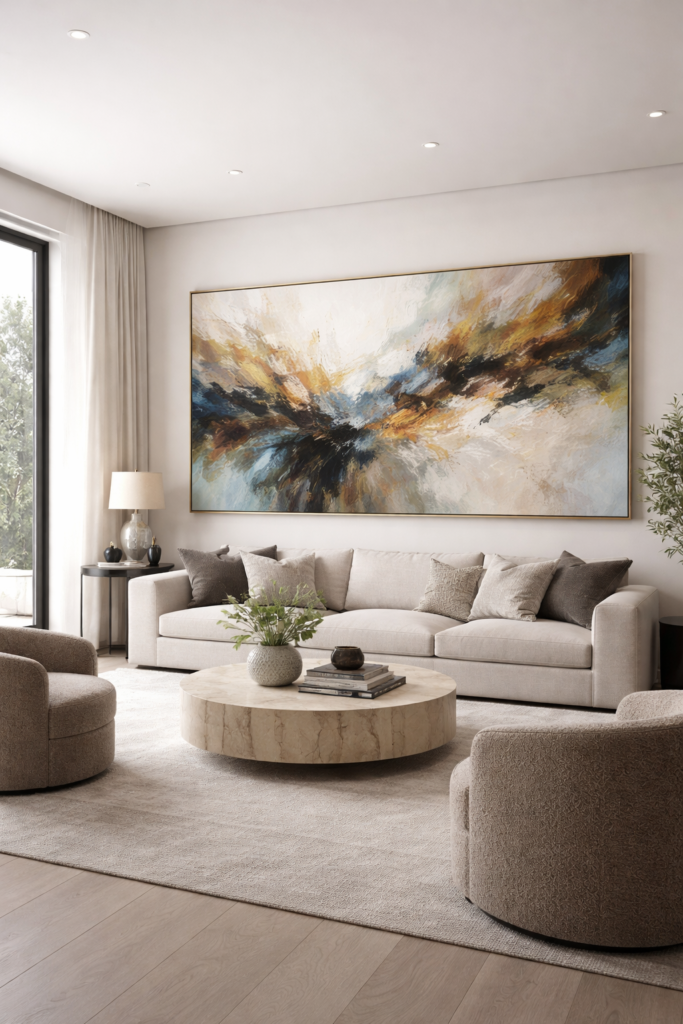
Examples of visual anchors vary widely, encompassing items such as wall art, styled shelves, or even a dedicated coffee bar. For instance, a large, framed painting can become the centerpiece of a living room, drawing the gaze and establishing a theme for the surrounding decor. This single piece not only adds color but also tells a story, helping to ground the space in a coherent narrative.
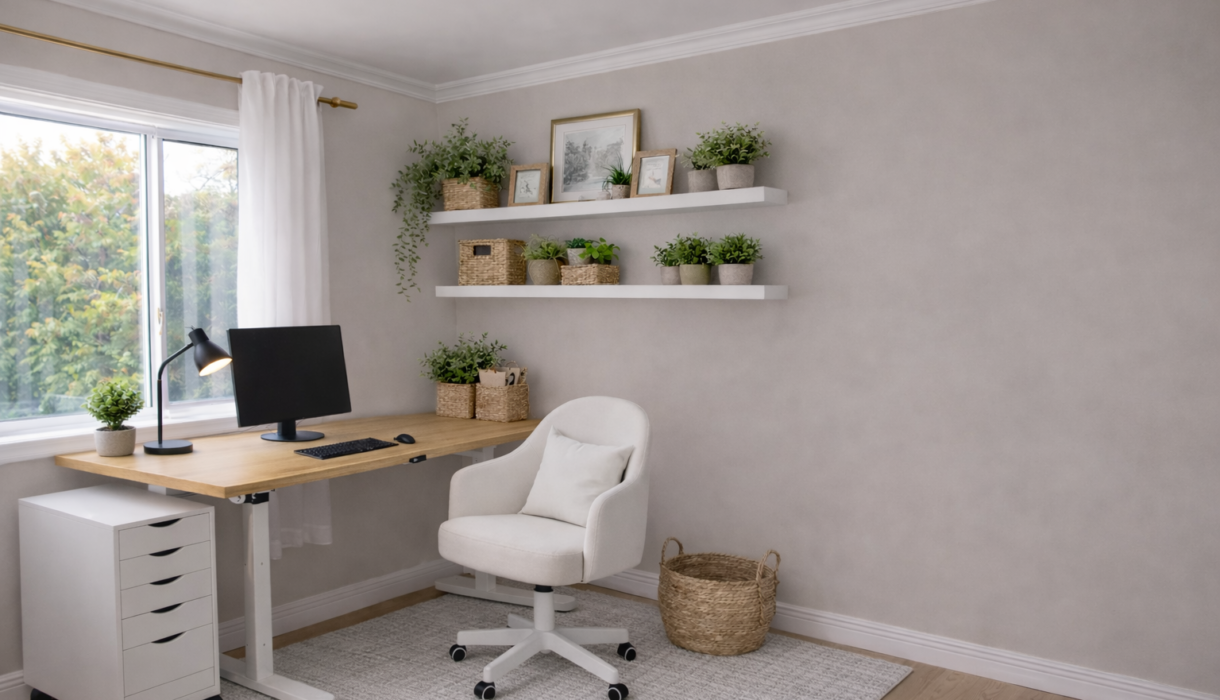
In addition to artwork, styled shelves offer another compelling avenue for establishing visual anchors. By carefully selecting how to arrange books, plants, and decorative objects, one can create an inviting vignette that enhances the room’s function and style. Shelving that features varying heights and textures can provide a dynamic visual contrast, making the area more engaging and complete.
Another example includes a dedicated coffee bar that serves as both a functional and aesthetic anchor in a kitchen or dining area. Incorporating elements such as a coffee maker, stylish mugs, and elegant trays not only centralizes the coffee-making experience but also adds a layer of intentionality to the overall design. This serves not just as a practical setup but also encourages warmth and connection within the space.
Ultimately, the introduction of well-considered visual anchors can significantly transform how a room feels and functions. By focusing on these key elements, one can create a sense of unity and direction that resonates throughout the home, fostering a more finished and cohesive environment.
Implementing a Room-by-Room Reset
Embarking on a journey to make your home feel whole can often seem overwhelming, particularly if it appears unfinished or cluttered. However, implementing a room-by-room reset can serve as an effective alternative to the daunting prospect of a total home overhaul. By tackling each room or even individual corners methodically, you can cultivate an environment that not only reflects your personal style but also achieves a cohesive atmosphere throughout your living space.
To commence this process, prioritize the rooms that are most integral to your daily life. Begin with spaces where you spend the most time, such as the living room or kitchen. Evaluate these areas critically: what elements contribute positively, and what feels out of place? A thorough decluttering can provide a fresh start—remove any items that no longer serve a purpose or spark joy.
Once you have cleared the clutter, focus on the design aspects. This is the stage where personal expression can shine through. Consider painting an accent wall, rearranging furniture, or integrating new textiles, such as curtains or cushions, to unify the space. The strategy of addressing one room at a time reduces the pressure associated with overhauling the entire house and allows for gradual improvement and adaptation.
Additionally, a room-by-room approach is beneficial in fostering a more mindful decoration process. You will likely discover your preferences evolve over time, leading to thoughtful decisions and curated spaces that truly represent you. Establishing a sense of completion in each room, one at a time, not only nurtures a feeling of accomplishment but also creates a harmonious environment that can be enjoyed as you systematically progress through your home.